CLINICAL PRACTICE SINCE 2018
Experience evaluating and managing spine, musculoskeletal, rehabilitation, and injury-related conditions.

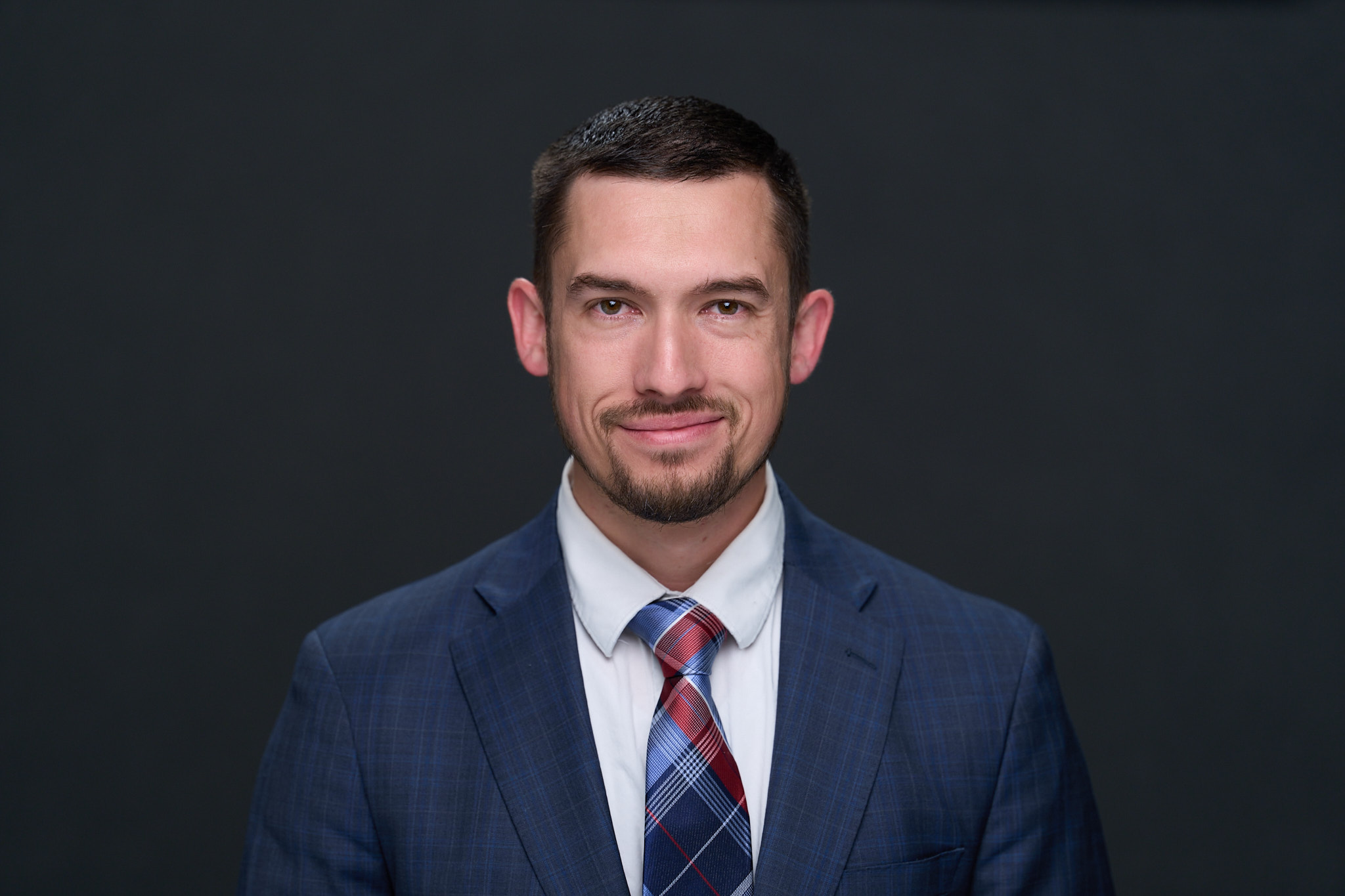
Derek Farmen, D.C., FSBT(c)
Doctor of Chiropractic Fellowship Candidate in Spinal Biomechanics and Trauma
Dr. Derek Farmen has been in clinical practice since 2018, with a focus on spine-related conditions, injuries, rehabilitation, and helping patients understand complicated findings and treatment options.
His work has expanded beyond direct patient care to include advanced postgraduate education in spine imaging and biomechanics, clinical teaching at Parker University, independent medical record review, and professional education within the spine and injury field.
His goal is straightforward: understand the problem, explain it clearly, and help patients make informed decisions about what comes next.
Experience evaluating and managing spine, musculoskeletal, rehabilitation, and injury-related conditions.
Clinical teaching focused on examination, clinical reasoning, documentation, communication, and patient management.
Postgraduate education in spine imaging, clinical correlation, biomechanics, and trauma.
Currently completing advanced fellowship training in spinal biomechanics and trauma.
Reviews complex spine and injury records involving diagnosis, medical necessity, imaging, treatment response, and documentation.
Participates in clinical education, professional panels, peer review, and speaking activities.
Dr. Farmen earned his Doctor of Chiropractic degree from Palmer College of Chiropractic–Florida, graduating cum laude in 2018.
Prior to chiropractic school, he earned a Bachelor of Science in Applied Health Science from the University of Wisconsin–Parkside.
Since graduation, he has continued advanced postgraduate education with a particular focus on the spine, diagnostic imaging, biomechanics, trauma, rehabilitation, and clinical decision-making.
Dr. Farmen is completing advanced fellowship training in spinal biomechanics and trauma.
The training includes advanced study of spine biomechanics, trauma, diagnostic imaging, clinical guidelines, medical literature, and interdisciplinary spine care. It also includes observational experience with other healthcare disciplines involved in the evaluation and management of spine and injury patients.
The goal is broader than learning a treatment technique. It is to better understand how spine patients move through the healthcare system—from conservative care and diagnostic testing to pain management, specialist evaluation, and surgery when appropriate.
This broader training helps Dr. Farmen better understand when conservative care may be appropriate, when additional testing may help, and when involvement from another healthcare professional should be considered.
FSBT(c) indicates fellowship candidate status.
Dr. Farmen has completed advanced postgraduate education in spine MRI interpretation and clinical correlation.
An MRI finding by itself does not always explain why someone hurts.
Imaging becomes more useful when it is considered together with the patient’s history, symptoms, examination findings, function, and response to care.
This training helps Dr. Farmen better understand imaging reports, communicate findings with patients, and determine when imaging may—or may not—help guide the next step.
Dr. Farmen serves as an Adjunct Clinic Doctor at Parker University, where he works with chiropractic students in a clinical teaching environment.
His role includes helping students develop skills in examination, clinical reasoning, documentation, patient communication, and patient management.
He has also provided clinical lecture instruction and participated in Parker University professional education, including the Changing the Script seminar addressing conservative spine care and strategies that may help reduce unnecessary reliance on opioid medications.
Good care should have a reason behind it.
A diagnosis should make sense.
A treatment should have a purpose.
Progress should be measured.
And when something is not working, the plan should be reconsidered.
In addition to patient care, Dr. Farmen performs independent medical and medical-legal review involving spine, musculoskeletal, and injury-related records.
His review work requires him to examine whether diagnoses, imaging, treatment, procedures, and recommendations are actually supported by the available clinical information.
This work requires separating what the documentation supports from what it does not support—and explaining that reasoning clearly.
Dr. Farmen brings the same standard to his own patient care:
Recommendations should make sense, be supported by the findings, and be clearly explained.
Selected professional activities include:
Your history, symptoms, concerns, goals, and previous care help shape the evaluation.
You should understand what was found, what it may mean, and what options are available.
The next step may include treatment, rehabilitation, home care, additional testing, specialist involvement, or another appropriate option.
There is no predetermined treatment plan and no assumption that every patient needs the same type or amount of care.
The goal is to understand the problem, explain the options clearly, provide individualized care, measure progress, and help coordinate additional testing or specialty care when appropriate.
Clear explanations. Individualized care. Measured progress.
If you are dealing with a neck, back, or spine-related problem, start by telling us what is going on.
We will listen, examine the problem, explain what we find, and discuss what makes sense next.